Quick look: Spurred by lessons from last year’s Los Angeles wildfires, OC leaders came together to focus on shared responsibility in disaster preparedness. County Superintendent Dr. Stefan Bean emphasized that schools often serve as first points of connection for families, especially the most vulnerable.
Exactly one year after devastating wildfires swept through Los Angeles, local leaders gathered Tuesday to focus on a shared priority: ensuring Orange County is prepared and on the same page before the next crisis strikes.
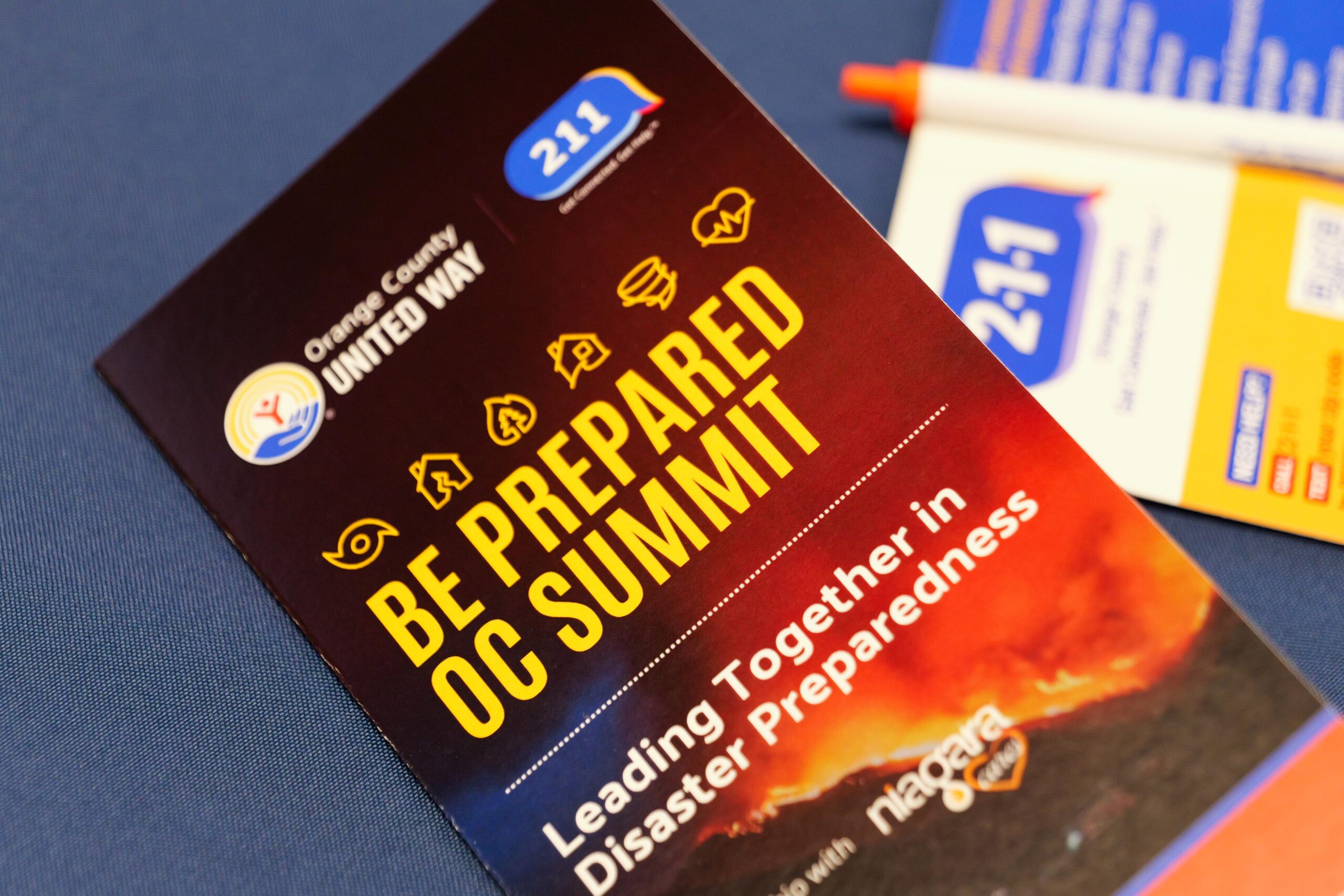
The Be Prepared OC Summit, held Jan. 13 at the UC Irvine Beall Applied Innovation Center, was convened by Orange County United Way and 2-1-1 Orange County, in partnership with Niagara Cares. The event brought together regional officials, first responders and corporate leaders to talk about coordination, communication and shared responsibility during disasters.
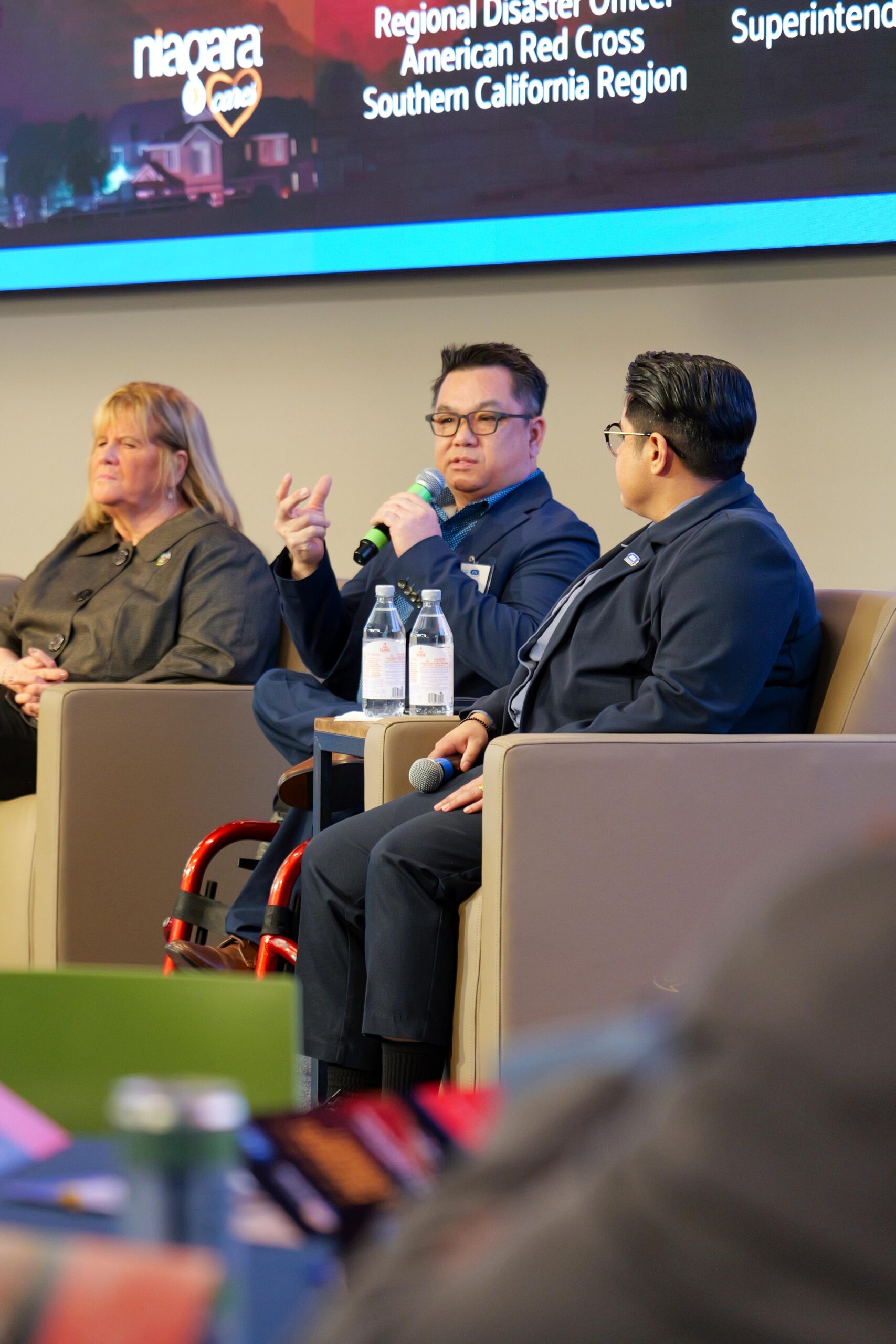
County Superintendent Dr. Stefan Bean was among the day’s featured panelists. He outlined how the Orange County Department of Education supports schools, families and communities during emergencies and community-wide crises.
“Our role at OCDE during a disaster or community crisis is really about coordination, integration and continuity for our school systems,” the county superintendent said.
Bean said the department works closely with 28 school districts, 40-plus charter schools and numerous public safety partners, including the Sheriff’s Department and the Orange County Fire Authority, to ensure schools are fully integrated into broader emergency response efforts.
This approach is outlined in OCDE’s 5-3-1 Strategic Plan, which identifies student and school safety as a core priority.
“That alignment is so critical as it helps inform our decisions and how we coordinate those decisions,” he said. “And it’s timely, so that our schools are not operating in isolation during these high-impact events.”
Bean also highlighted OCDE’s Crisis Response Network, which deploys trained mental health professionals to support students, staff and families coping with trauma and loss.
Crises don’t need an invitation
Following a welcome from Susan B. Parks, president and CEO of Orange County United Way, the panel of speakers was moderated by Steve Churm, chair of the 2-1-1 Orange County Leadership Council and founder of Churm|360.
Leading things off, Orange County Sheriff Don Barnes emphasized that preparation must begin long before emergencies unfold.
“The time to prepare is not when 9-1-1 calls start happening, sirens go off or you see fire or civil unrest or whatever it might be,” Barnes said. “The opportunity to prepare starts right now.”
Barnes urged business leaders to recognize their role in preparedness, noting that crises and disasters “do not come by invitation” and often affect employees and families first.
“When that happens, you may be looking to government to help,” he said, “but it’s your role to best prepare your organizations first and your employees to help fill their needs.”
At the same time, he stressed the importance of operating together, within established systems.
“It takes a coordinated, very intentional response,” the sheriff said. “Coordination, collaboration and communication are key during any time of crisis.”
Other panelists included Cheyne Maule of the Orange County Fire Authority, Debbie Leahy of the American Red Cross and Amy Arambulo of 2-1-1 Orange County. Orange County Supervisor Katrina Foley also offered remarks on the county’s preparedness efforts.
Later, during a question-and-answer session, guests raised questions about communication during emergencies, how agencies support vulnerable populations and where gaps in preparedness remain.
Schools as resource hubs
Responding to a question about vulnerable communities, Bean emphasized the unique role schools play before, during and after crises. He noted that some districts have community schools, a term used to describe hubs that connect families to academic, health, mental health and social services.
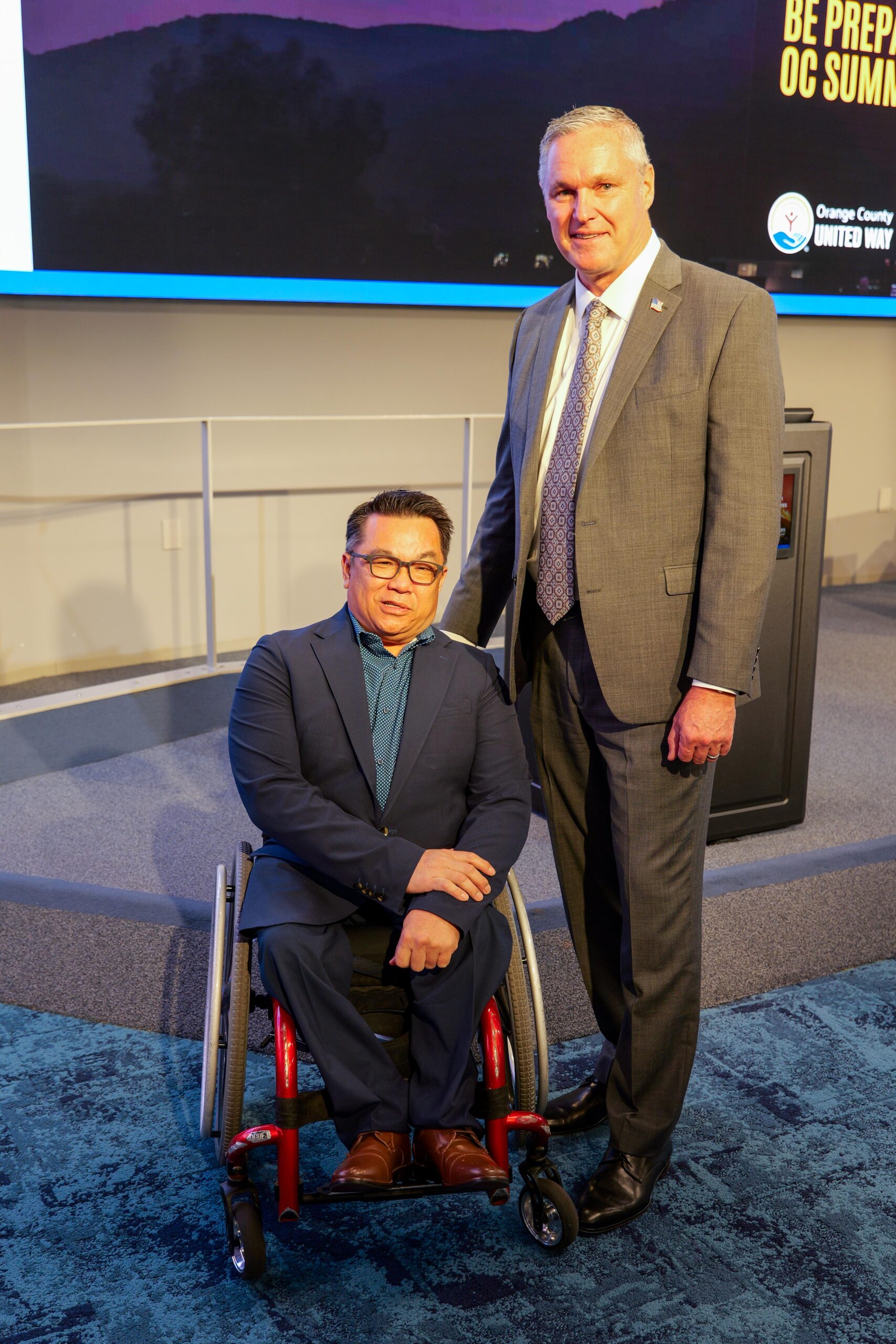
“One of the things schools do particularly well is support our most vulnerable communities,” Bean said.
Bean explained that during emergencies — whether related to mental health, natural disasters or other events — families often turn first to their local schools for help.
“We have established schools to be resource hubs during a crisis,” he added. “And every school principal, every school district, and the county have these safety plans and know how to follow them.”
As the summit concluded, organizers emphasized that preparedness depends not only on public agencies, but also on the resources already embedded across the community.
Parks of Orange County United Way encouraged business leaders to consider what assets their organizations could offer during emergencies, such as food from workplace cafeterias, transportation support or space that could be repurposed to meet urgent needs.
The event closed with a call to action from Churm, who asked attendees to write down the name of one person within their organization who could serve as a designated point of contact during emergencies.
The goal, he said, is to help build a countywide preparedness network that allows businesses, nonprofits and public agencies to connect quickly, share information and coordinate support when disasters occur.