
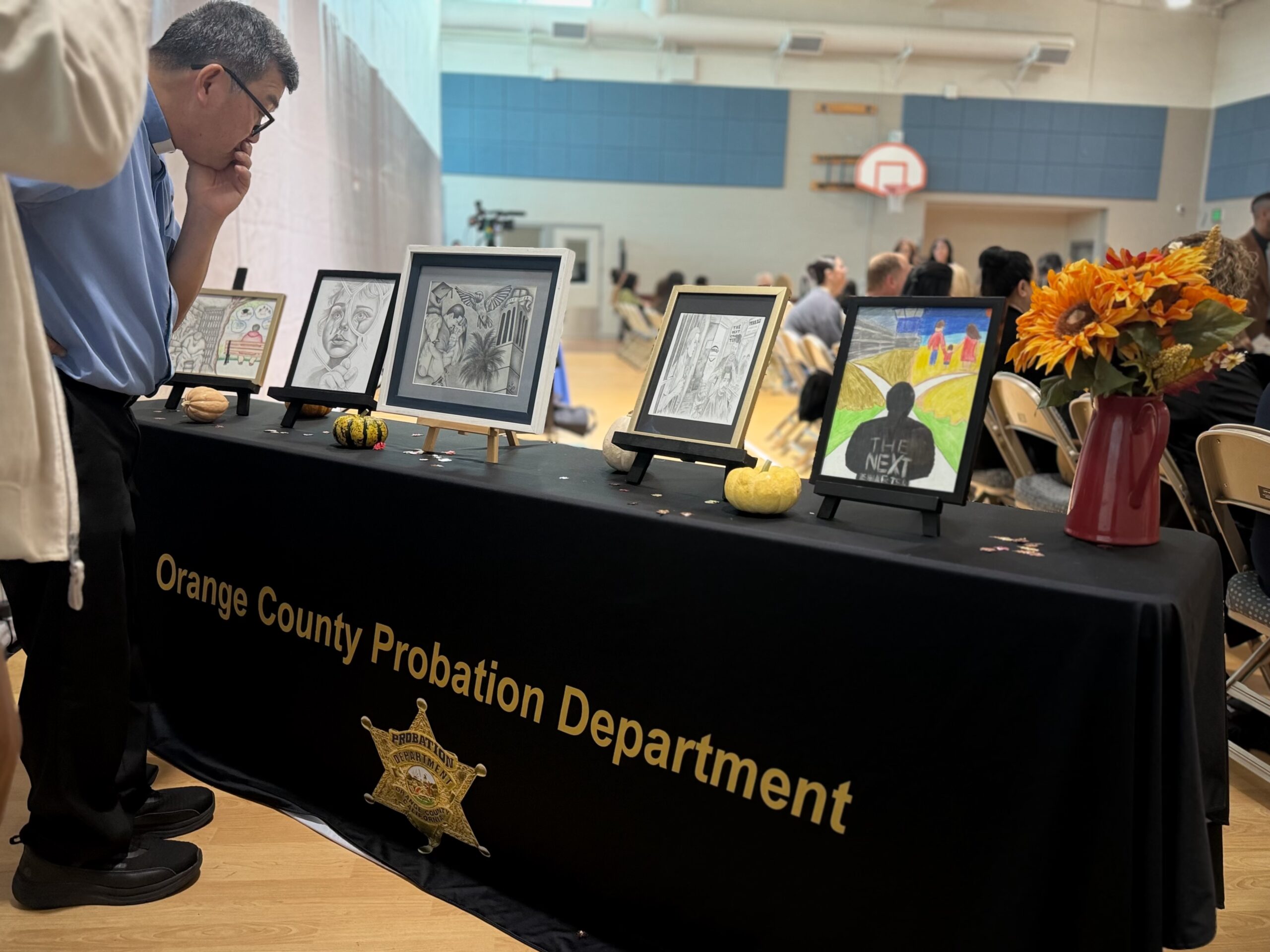
Onlookers examine the five winning drawings at the ninth annual Essay and Visual Arts Contest for incarcerated youth at Otto A. Fischer School within Orange County Juvenile Hall. 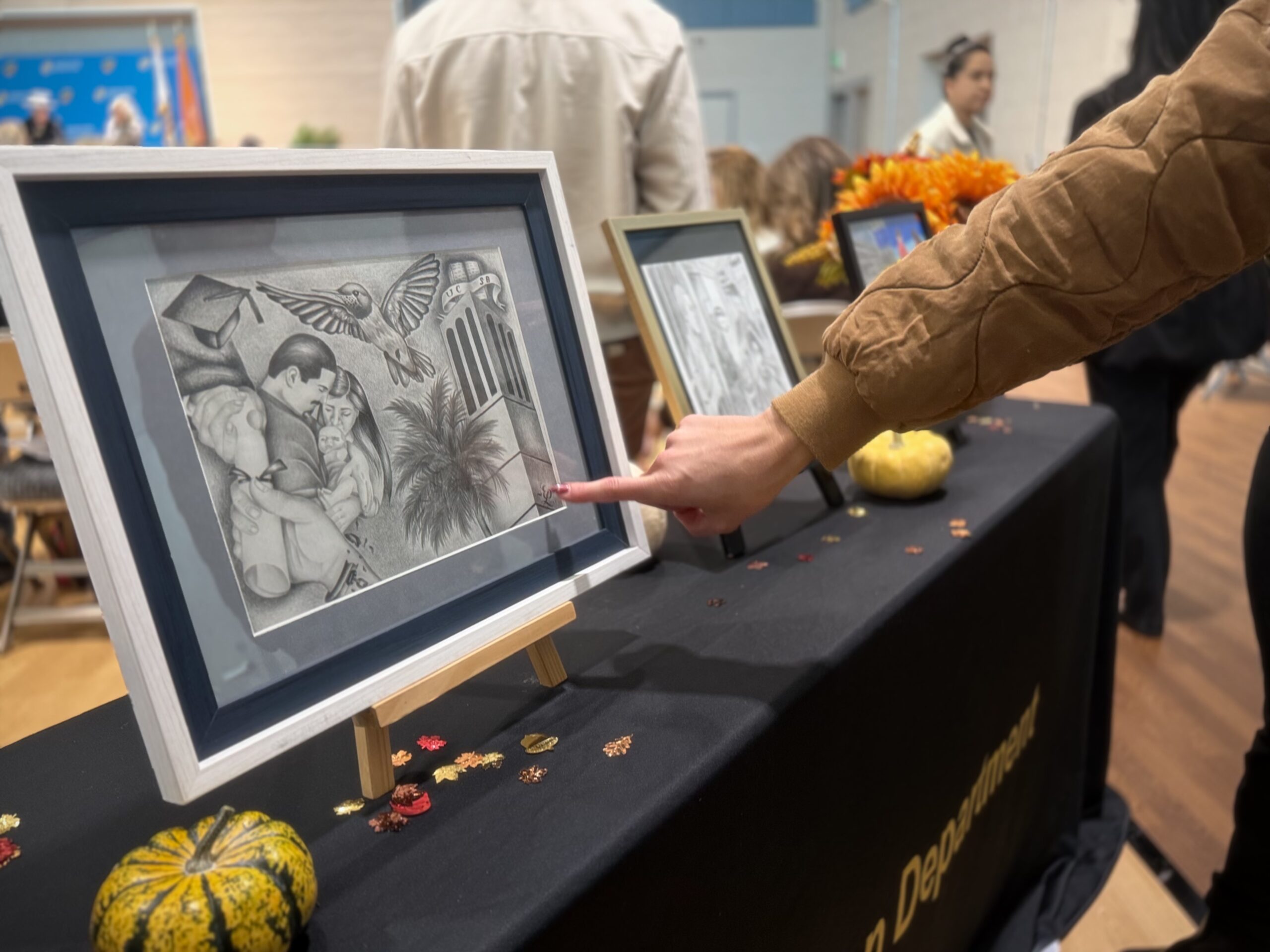
The first-place drawing at the ninth annual Essay and Visual Arts Contest for incarcerated youth at Otto A. Fischer School within Orange County Juvenile Hall. 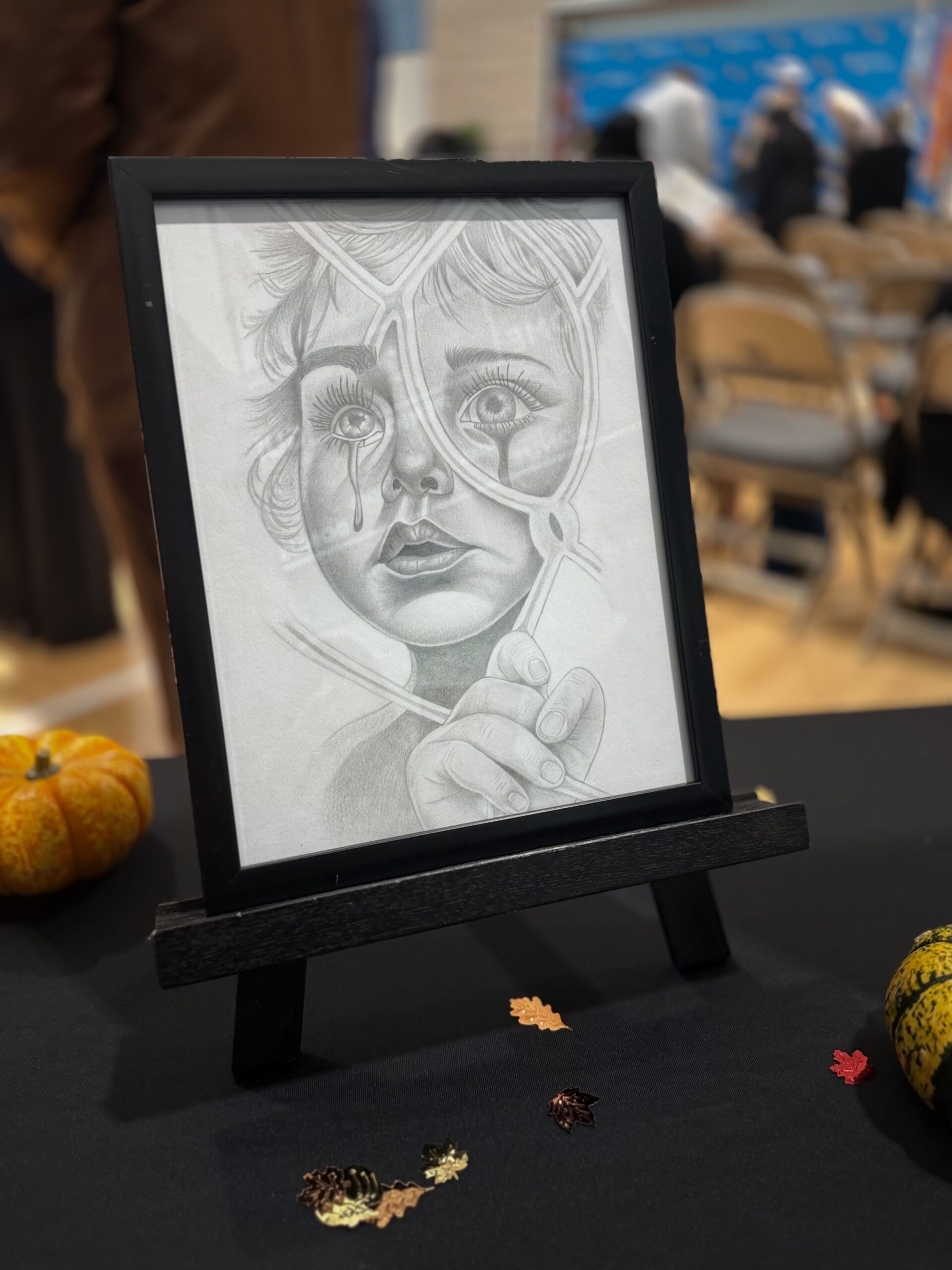
An honorable-mention drawing at the ninth annual Essay and Visual Arts Contest for incarcerated youth at Otto A. Fischer School within Orange County Juvenile Hall. 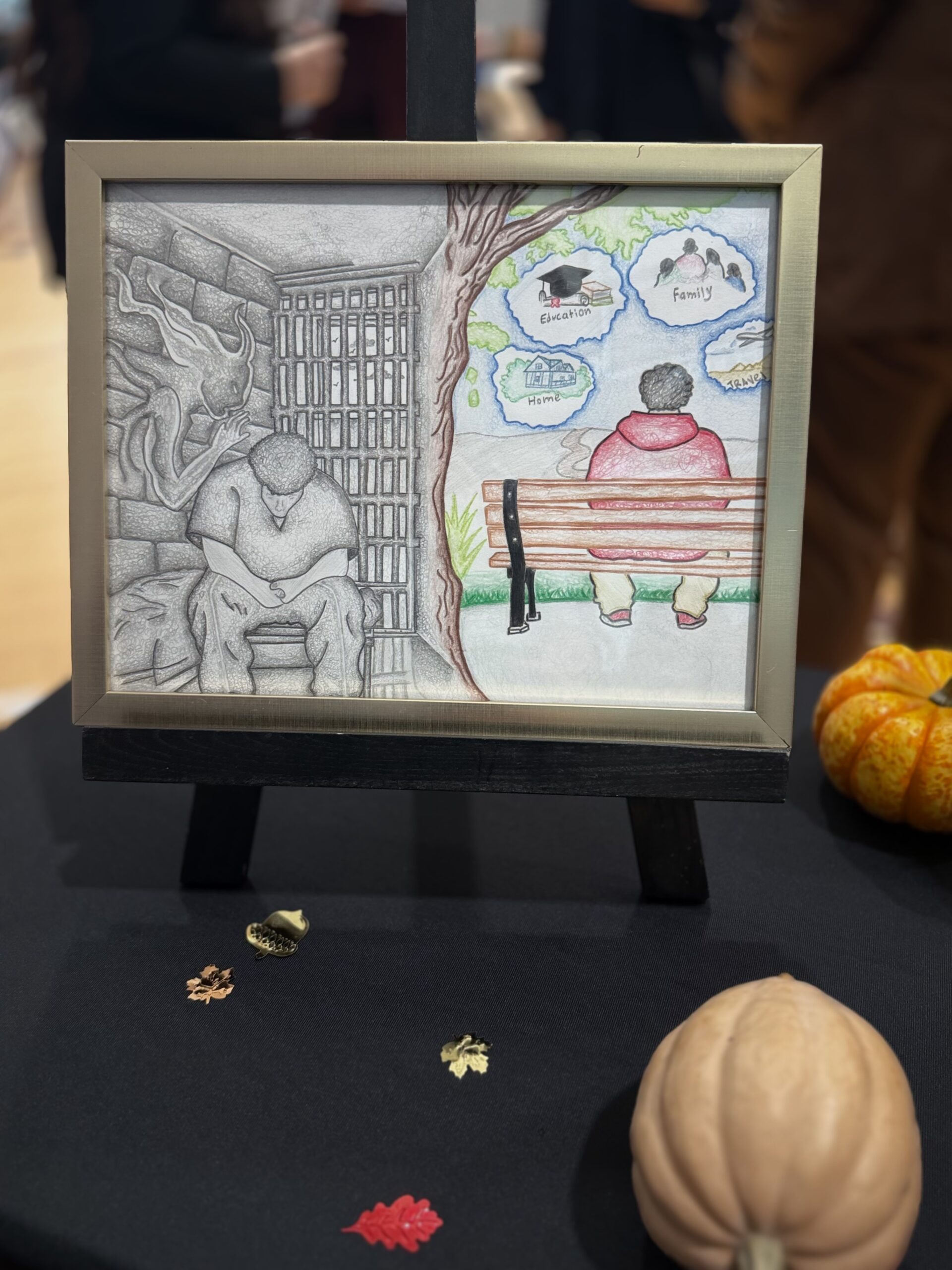
The third-place drawing at the ninth annual Essay and Visual Arts Contest for incarcerated youth at Otto A. Fischer School within Orange County Juvenile Hall. 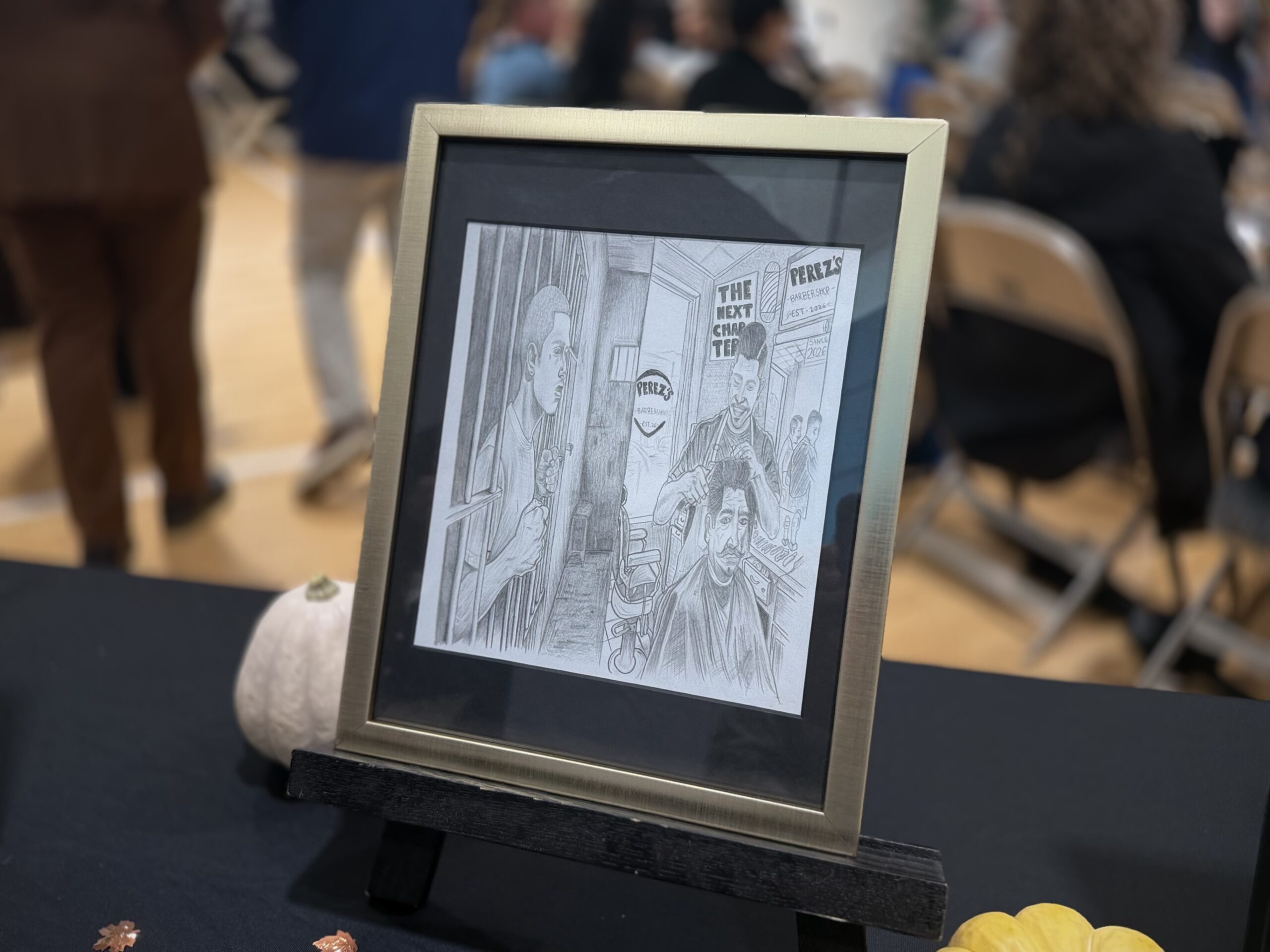
The second-place drawing at the ninth annual Essay and Visual Arts Contest for incarcerated youth at Otto A. Fischer School within Orange County Juvenile Hall. 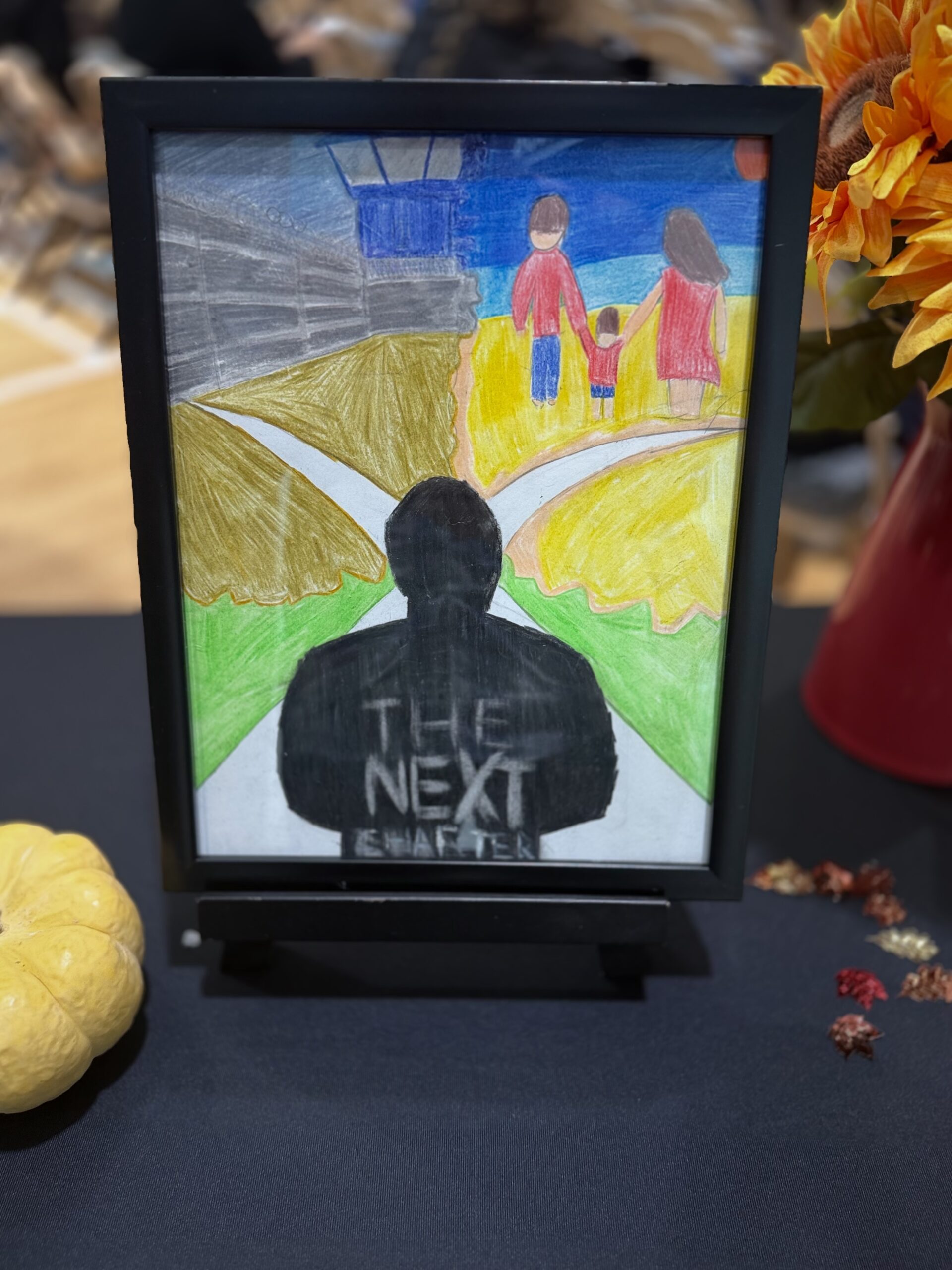
An honorable-mention drawing at the ninth annual Essay and Visual Arts Contest for incarcerated youth at Otto A. Fischer School within Orange County Juvenile Hall.
Quick look: The ninth annual Juvenile Hall Essay and Visual Arts Contest celebrated ACCESS students’ creativity and resilience, highlighting the powerful stories and artistic talents of youth at Orange County Juvenile Hall.
Adults often encourage students to dream big, but at the ninth annual Essay and Visual Arts Contest for incarcerated youth at Otto A. Fischer School within Orange County Juvenile Hall, students did more than just dream.
On Thursday, Oct. 22, winning students read their essays aloud to juvenile court judges, probation representatives and ACCESS staff — reflecting on past decisions and outlining detailed plans to rebuild family relationships, earn college degrees and pursue business ventures.
Otto A. Fischer School is operated by OCDE’s ACCESS alternative education program within detention facilities run by the Orange County Probation Department.
Juvenile Justice Commissioner Mary Lou Vachet opened the ceremony by emphasizing how meaningful it was for the adults in attendance to hear students share a more personal side of themselves through their writing and artwork. She wanted students to know that everyone in the room was there to honor and celebrate their work and dedication.
Many of the essays centered around similar themes of taking accountability and the lessons learned from their experiences.
“One thing that I learned while working on this chapter [of my life] is that part of becoming a man is not pretending that you’re not scared, but being able to admit that you’re scared,” said one of the students given an honorable mention.
His essay reflected on the loss of his mother and channeling his emotions to motivate himself, rather than lash out.
Student names are not included to protect their identity.
Another student framed his past experiences using some of his favorite sayings and idioms, to which his classmates collectively laughed and groaned in a way that suggested they had heard the lines many times before.
Using the classic, “You’re barking up the wrong tree,” he likened his life before incarceration to just that: always searching in the wrong places, living a life that led to nowhere.
Now, he likes to think that the current chapter of his story is best described with the saying, “when life gives you lemons, make lemonade.”
As a post-secondary student, he is working toward an associate degree in psychology, with plans to pursue bachelor’s and master’s degrees and eventually work as a school counselor, clinician or researcher specializing in supporting at-promise youth.
“For me, this is more than just a career path,” he said. “This is my way of giving back to the world, atoning for my past mistakes and helping the next generation with the guidance needed to create a better future.”
The artwork offered another glimpse into the students’ aspirations, depicting everything from dreams of becoming a barber to breaking the shackles of incarceration with a college degree.
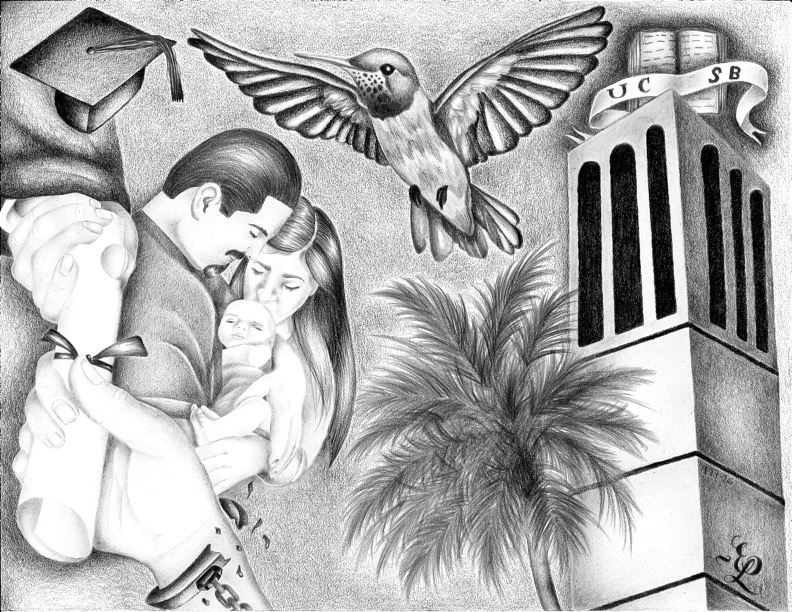
The latter, which earned first place in the art contest, was created by the same student who took top honors in the postsecondary essay contest — a piece as creative lyrically as his drawing was stirring.
“As for my existence within confinement, I have come to realize that this chapter of my life is an ongoing battle to find purpose, resilience and, ultimately, redemption,” he wrote. “I am the author of my life. The pencil and the future are in my hands, and the next pages of my story are still being written today.”
In the coming years, he will earn his bachelor’s in art and will pursue a master’s in art therapy so he can help others learn from their past, just as he has learned from his own.
He is among 45 incarcerated students now attending college, with a new partnership with Santiago Canyon College expanding educational opportunities for students at juvenile hall.
The college will also display the five winning drawings at the SCC Art Gallery during a special reception from 4 to 6 p.m. Nov. 3.