
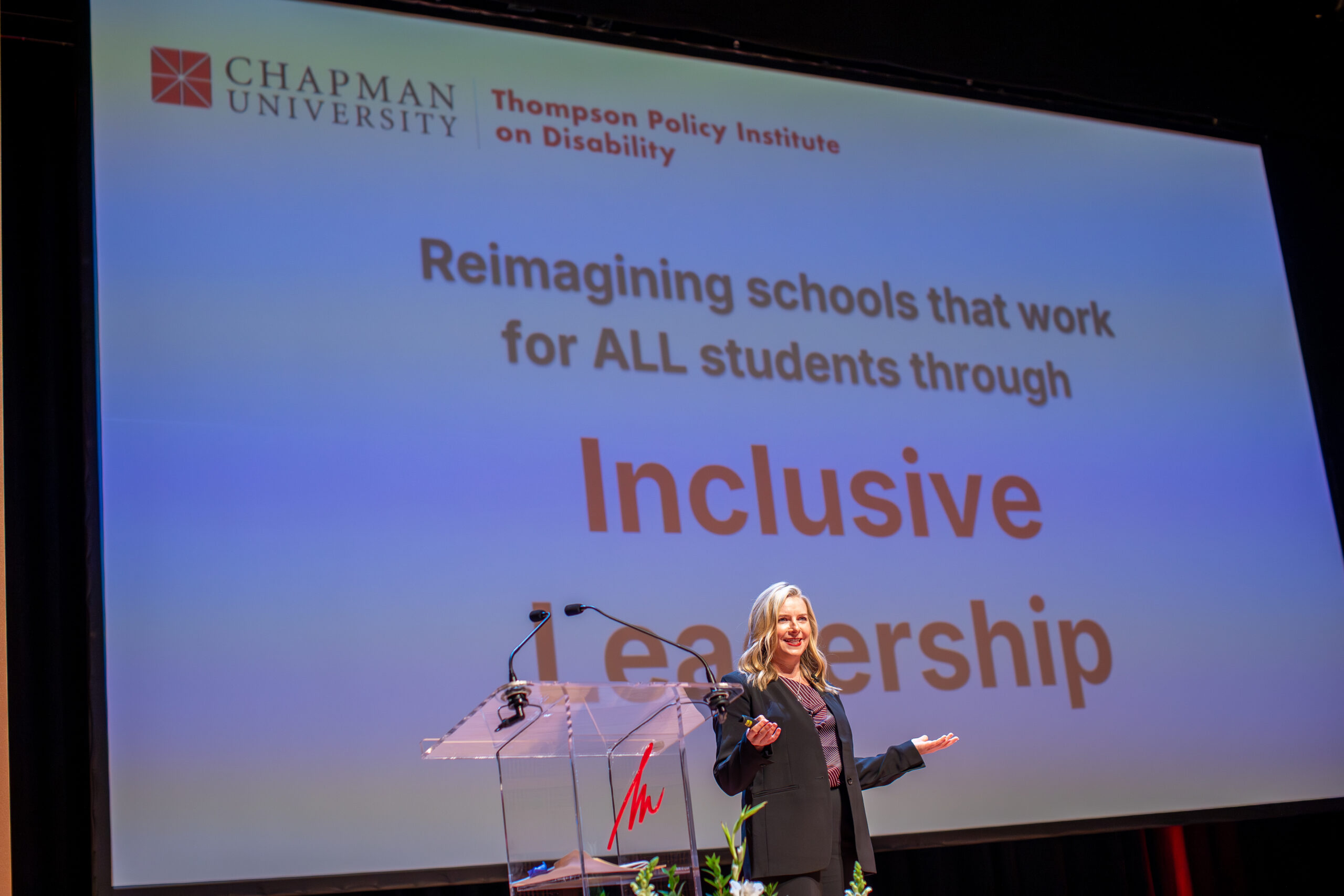
Quick look: OCDE and Chapman University’s Thompson Policy Institute on Disability are partnering to strengthen inclusive leadership practices for current and future school administrators. The collaboration aims to help schools better support students with disabilities while advancing equitable access to learning, leadership and career pathways for all students.
The Orange County Department of Education is partnering with Chapman University’s Thompson Policy Institute on Disability to help prepare school leaders to create more inclusive learning environments for all students.
The collaboration connects the Thompson Policy Institute’s Inclusive Leadership Center with OCDE’s School of Learning and Leadership to strengthen administrator preparation and leadership practices that support students with disabilities.
Orange County Superintendent Dr. Stefan Bean said the partnership builds on ongoing collaboration between the two organizations and formalizes efforts already underway to embed inclusive leadership practices into administrator development programs across Orange County and beyond.
“At OCDE, we believe strong leadership is essential to building schools where every student feels supported, valued and able to succeed,” said Bean, who oversees OCDE. “This partnership with Chapman University’s Thompson Policy Institute seeks to ensure current and future administrators are prepared to lead inclusive school communities that serve all learners well.”
Research, policy and practice
Chapman University’s Thompson Policy Institute on Disability (TPI) works to advance equity and inclusion for people with disabilities through research, policy and practice. The institute partners with schools, community organizations and policymakers to improve learning opportunities and expand access to employment and community life.
The institute’s PK-12 education work focuses more specifically on supporting school systems through strategic planning, leadership development, coaching and professional learning centered on inclusive practices.
Through the partnership, OCDE and Chapman University are working together to integrate inclusive leadership principles into every stage of administrator preparation and development.
Kari Adams, TPI’s Inclusive Leadership Center director, is working alongside OCDE staff on efforts that include revising coursework within OCDE’s administrative credentialing program, co-hosting seminars for current and aspiring administrators, and creating tools to support continuous improvement.
Creating meaningful opportunities
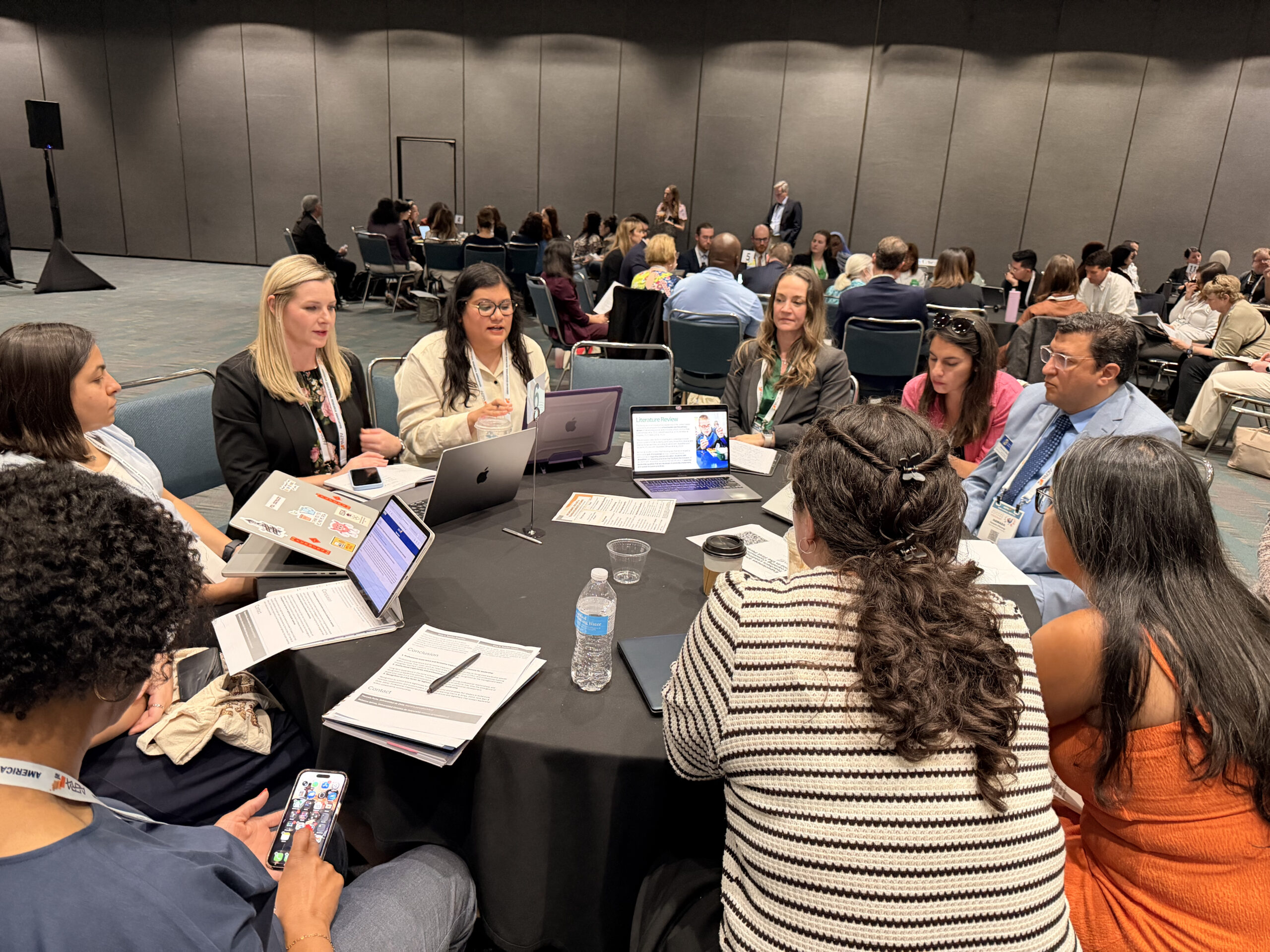
One example is the redesign of PASC 104, a course within OCDE’s Preliminary Administrative Services Credential program, to strengthen instructional leadership practices that support all students, including students with disabilities. Adams serves as the course’s primary instructor.
“Inclusive schools begin with inclusive leadership,” she said. “Our partnership with OCDE creates meaningful opportunities for current and future administrators to strengthen the knowledge, skills and systems needed to support all learners. Together, we’re working to ensure school leaders are prepared to build environments where students with disabilities feel welcomed, supported and fully included in the life of their schools.”
Adams said the partnership reflects a broader shift in education toward designing school systems that proactively support diverse learners through inclusive practices and data-informed leadership.
Missions are in alignment
The Thompson Policy Institute describes its mission as working alongside the disability community to create equitable, accessible and nurturing learning environments. The partnership also aligns with OCDE’s broader efforts to support educational leaders through preparation programs, professional learning and leadership development opportunities.
Bean, the county superintendent, noted that the work reflects priorities outlined in the department’s 5-3-1 Strategic Plan, including expanding access to career technical education and real-world learning opportunities for vulnerable student populations.
“When school leaders understand how to build systems that support every learner, the impact extends far beyond the classroom,” Bean said. “This partnership is about creating opportunities, removing barriers and helping all students prepare for success in college, career and life.”