
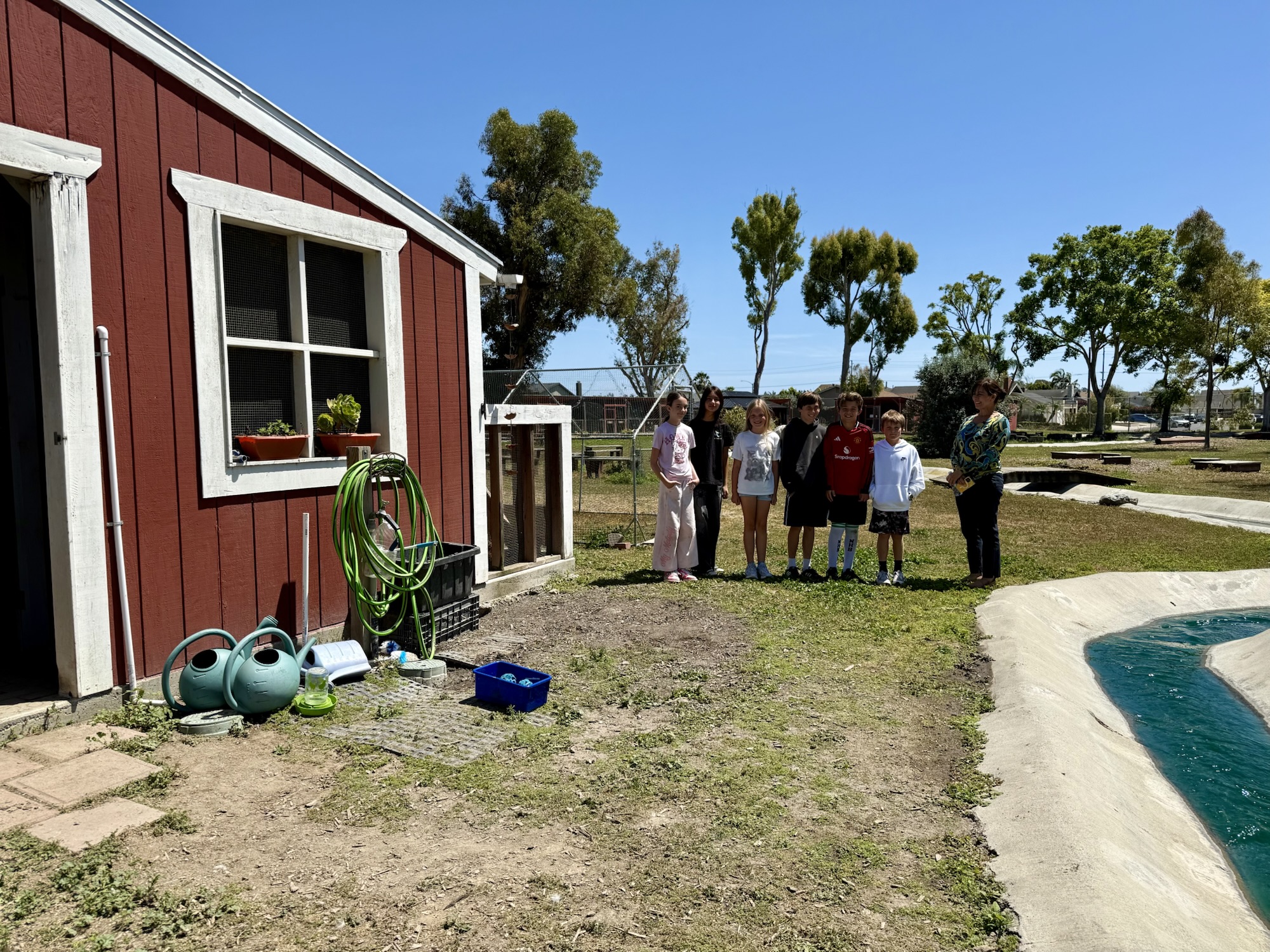
Quick look: Golden View Elementary in the Ocean View School District blends open-concept classrooms with a working school farm, where students take on real responsibilities and connect learning to real-world experiences — an approach that earned the school recognition as an Orange County Impact School.
Inside a classroom at Golden View Elementary, the atmosphere feels more like a welcoming lounge than a traditional school setting.
Soft string lights line the walls. Flexible seating invites learners to gather in small groups or settle into comfortable corners. Conversations flow easily as students collaborate, write and problem-solve together.
“The first thing that struck me when I arrived was the open-concept design, but also the feeling of a very familiar, warm environment,” Principal Venus Moeller said. “Golden View feels like a trendy coffee shop, but also like your grandma’s living room.”
Step outside, and the campus reveals something even more unexpected — a fully functioning, 2.5-acre school farm.
A red barn anchors the grounds, with a small cement creek running nearby. Chickens cluck from their coops as students gather eggs, check feed, tend crops and care for animals, including two baby goats born over spring break.
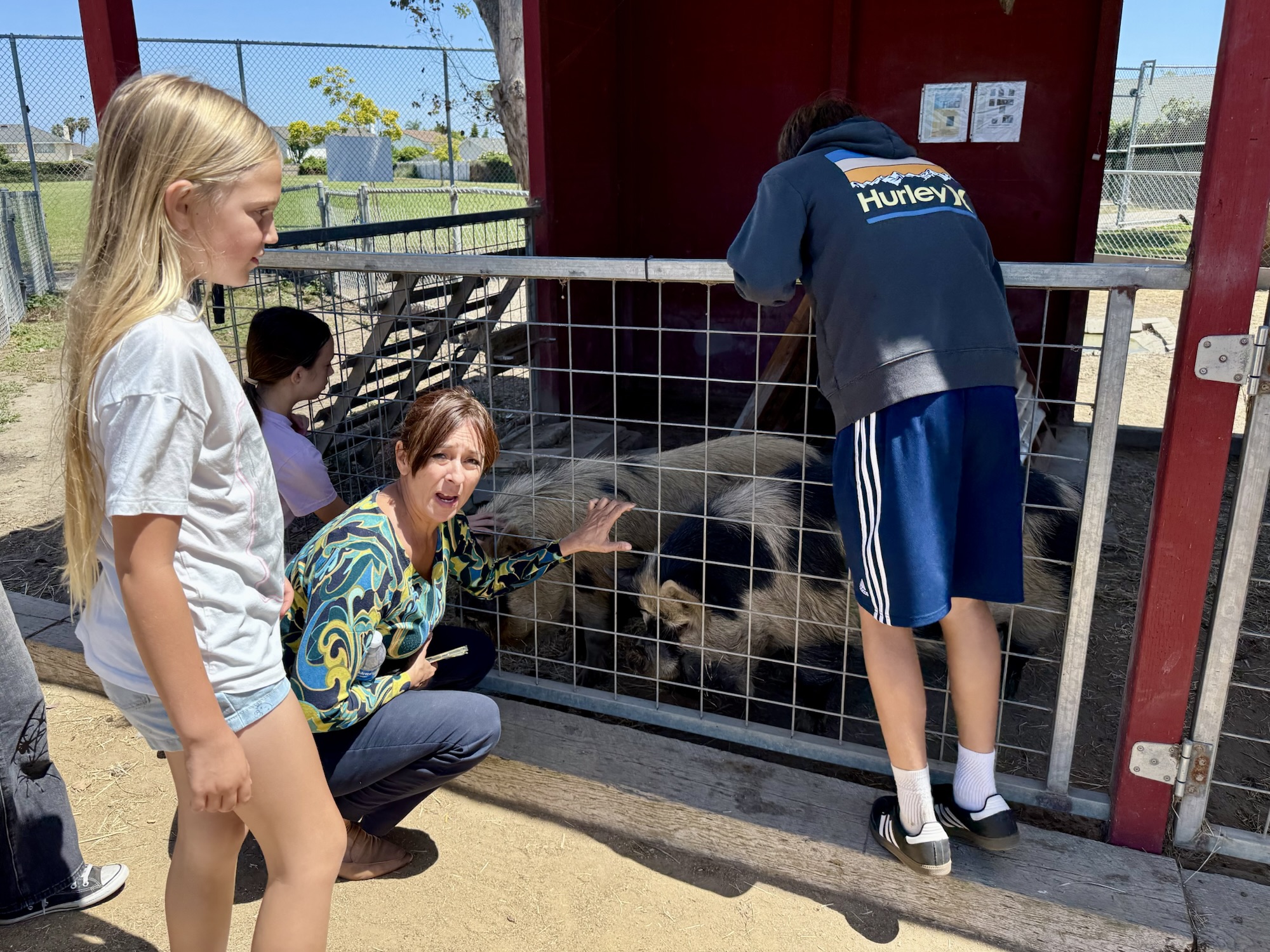
Here, learning is hands-on. Students take on real responsibilities, from feeding pigs named Oreo and Butterscotch to watering gardens and cleaning animal pens, working together to care for the space.
That work evolves over time. As students advance from grade to grade, responsibilities become more complex, building academic understanding along with independence and accountability.
And that’s the point. Golden View’s farm isn’t an add-on. It’s part of the instructional core.
“It’s that second dose of science,” Principal Moeller said.
That approach — blending collaborative spaces with hands-on, real-world learning — is part of why Golden View Elementary was named one of 12 Orange County Impact Schools by the Orange County Department of Education.
The designation, introduced in 2025, highlights schools and signature practices that can be shared and scaled across the county, with OCDE teams visiting to observe and learn from what’s working.
Members of the department’s Educational Services division recently described Golden View as “both enriching and inspiring,” adding that the school “stands as a model of what is possible when a school community comes together with purpose and heart.”
“At Golden View, every student is known, every family is welcomed and every learning opportunity is valued,” said Jannell Violi, OCDE’s early learning coordinator and Impact School lead.
Collaboration by design
The 324 students at the Huntington Beach campus move between classroom instruction, environmental science lessons and time on the farm, where concepts come to life.
A math lesson might involve measuring space for a chicken coop. A science lesson might center on composting, ecosystems or how food systems connect from garden to table.
“We try to create those opportunities whenever we can,” Moeller said. “When students can see it and do it, the learning becomes real.”
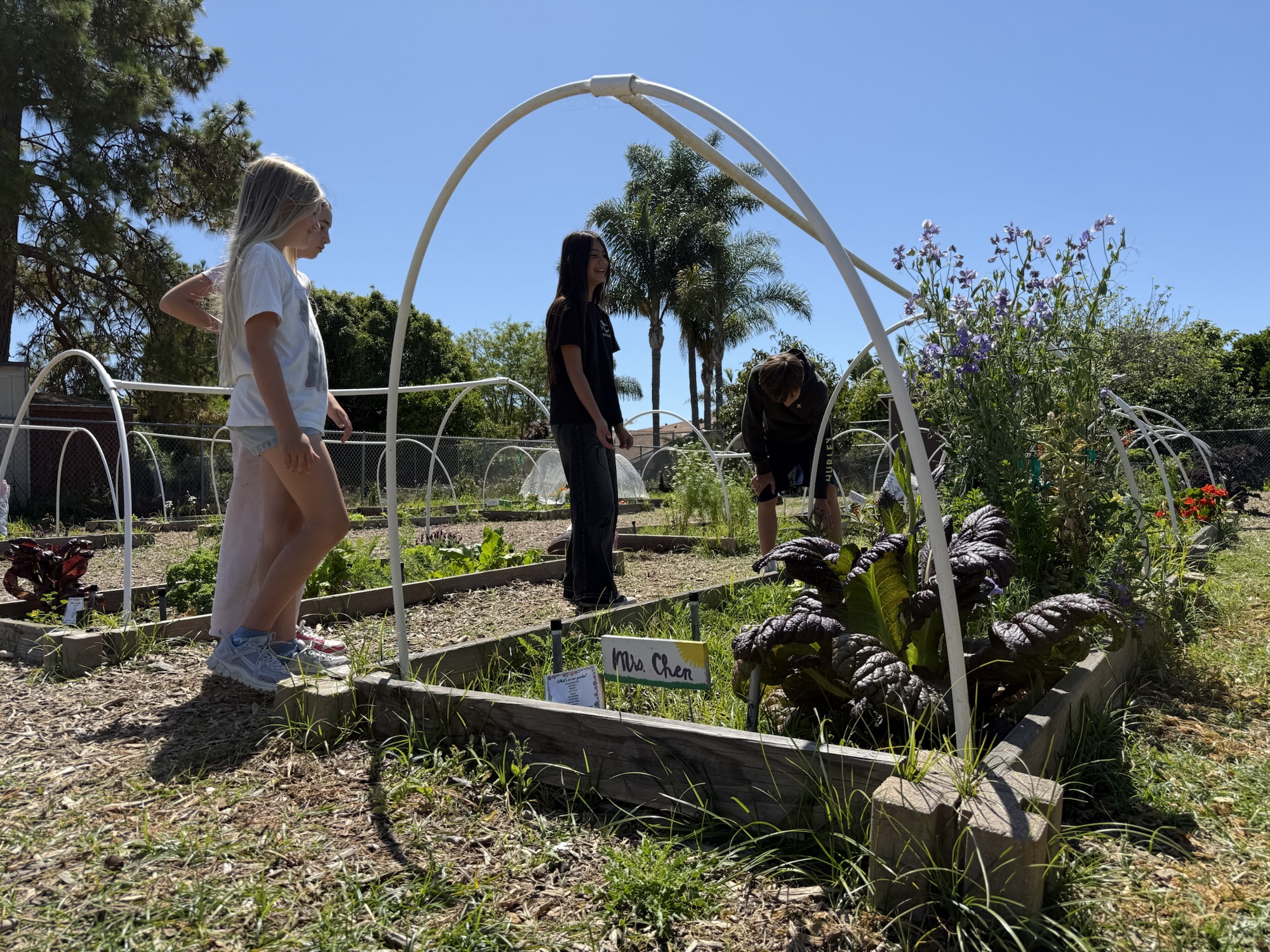
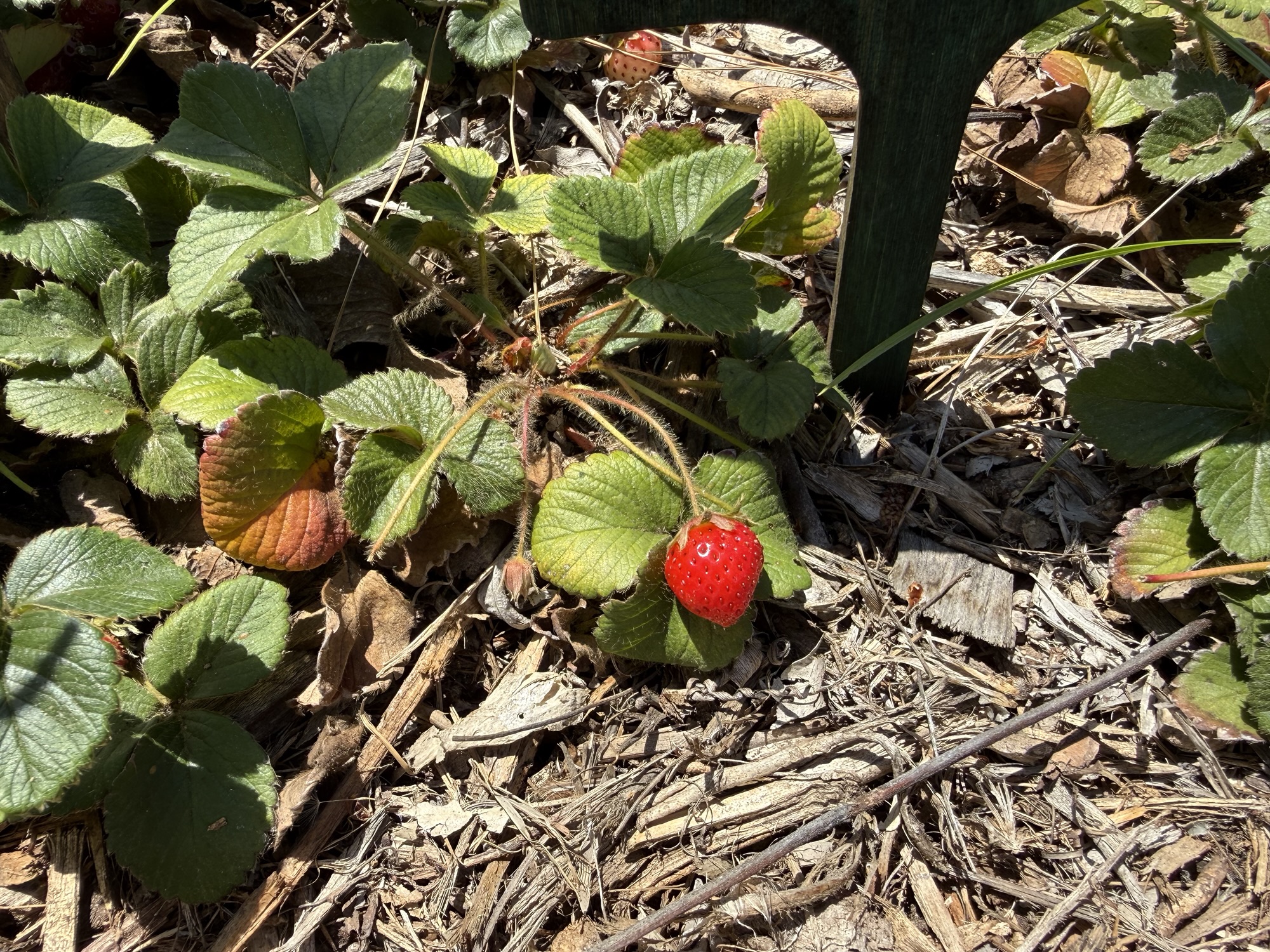
In garden beds, they track plant growth and learn about soil health, growing crops like strawberries, carrots, lettuce, kale and spinach.
Near the animal enclosures, they observe behavior and life cycles — sometimes even witnessing chicks hatch or learning about animal care firsthand. Food scraps from lunch are often repurposed through composting or used to feed animals, reinforcing lessons about sustainability in tangible ways.
The work is highly collaborative, and that’s partially driven by the school’s layout. Open-concept classrooms require teachers to work closely together, fueling a spirit that generally shapes everything on campus. Students rely on one another to complete tasks, share responsibilities and solve problems.
“You have to work very well together here,” Moeller said. “The design almost requires it.”
Engaging students, parents
That collaboration also supports something deeper: a strong sense of belonging.
“There are students who may not connect through traditional activities,” Moeller said. “Out here, they find a place where they can contribute, work together and build trust.”
Family engagement is also part of the school’s approach, with Golden View expanding opportunities for parents and caregivers to take part in learning. At a recent Family Math event, parents joined their children in classrooms, learning simple strategies and games they could use at home.
“We always try to look at things through a parent lens,” Moeller said. “What are simple, meaningful ways families can support their children without it feeling overwhelming?”
The result has been strong participation, with larger numbers of families engaging directly in classroom learning.
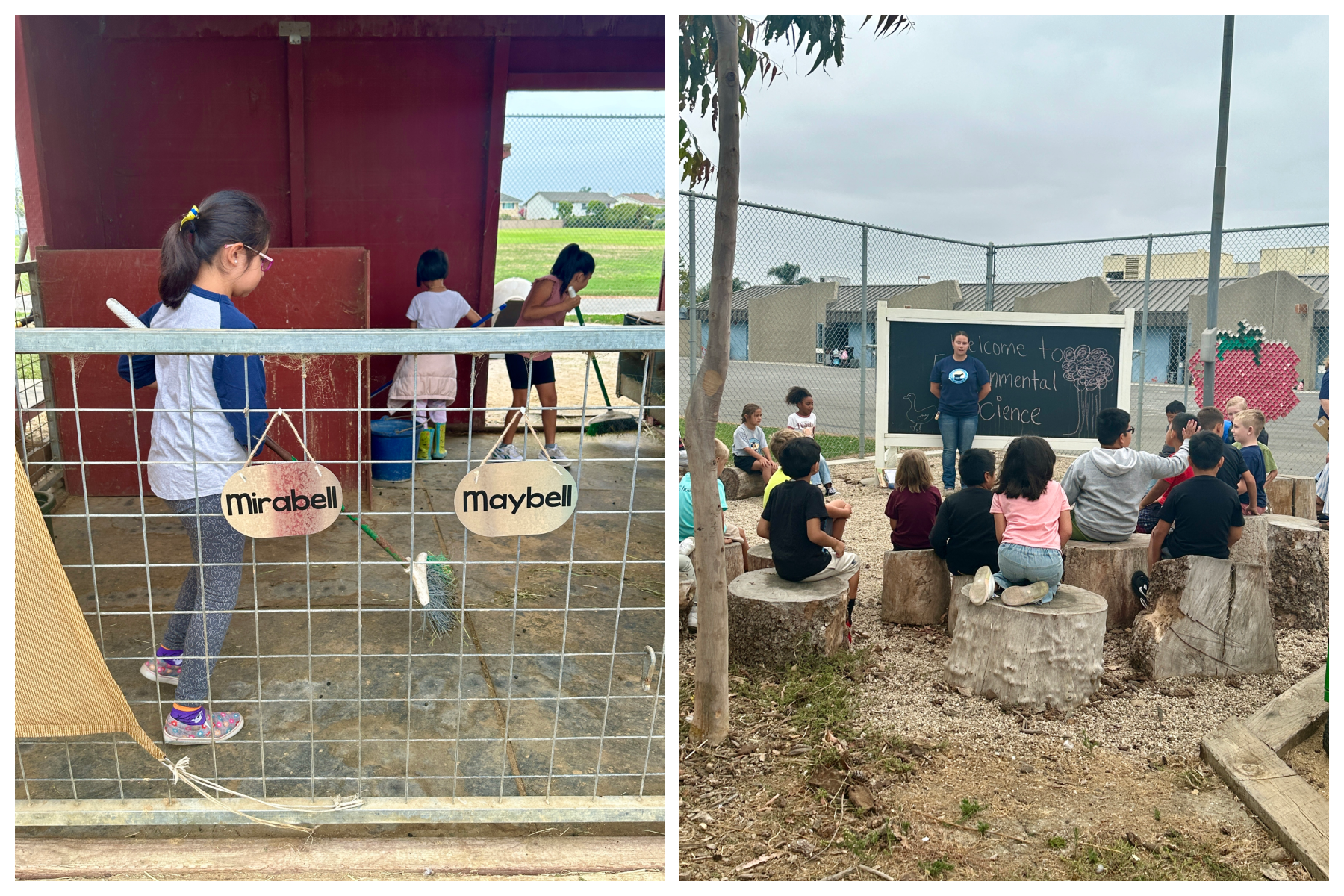
Beyond back to school nights and open houses, events like the Environmental Showcase extend that connection even further, inviting families onto campus to explore student projects and experience the farm as an extension of the classroom.
Small, everyday moments
Golden View is part of the Ocean View School District, which serves transitional kindergarten through eighth-grade students in parts of Huntington Beach, feeding into the Huntington Beach Union High School District.
In 2024, the campus earned a Golden Bell Award from the California School Boards Association for its integrated approach to curriculum and instruction. It has also been designated a California Green Ribbon School for its efforts to conserve resources and promote environmental literacy. This year, Golden View is piloting dual language instruction.
But much of what defines Golden View happens in smaller, everyday moments.
Students might gather near a chicken coop, carefully retrieving eggs while others refill water containers or scatter feed. Nearby, classmates walk between garden beds, checking on plants and discussing what they’ve observed.
It’s active, sometimes messy, and deeply engaging. For Moeller, those moments capture the essence of the school.
“There’s just a warmth here,” she said. “You feel it when you walk on campus, and you see it in the way students, staff and families connect with each other.”
Belonging, Moeller added, is feeling noticed, feeling heard and feeling valued.
“That’s what Golden View is.”